

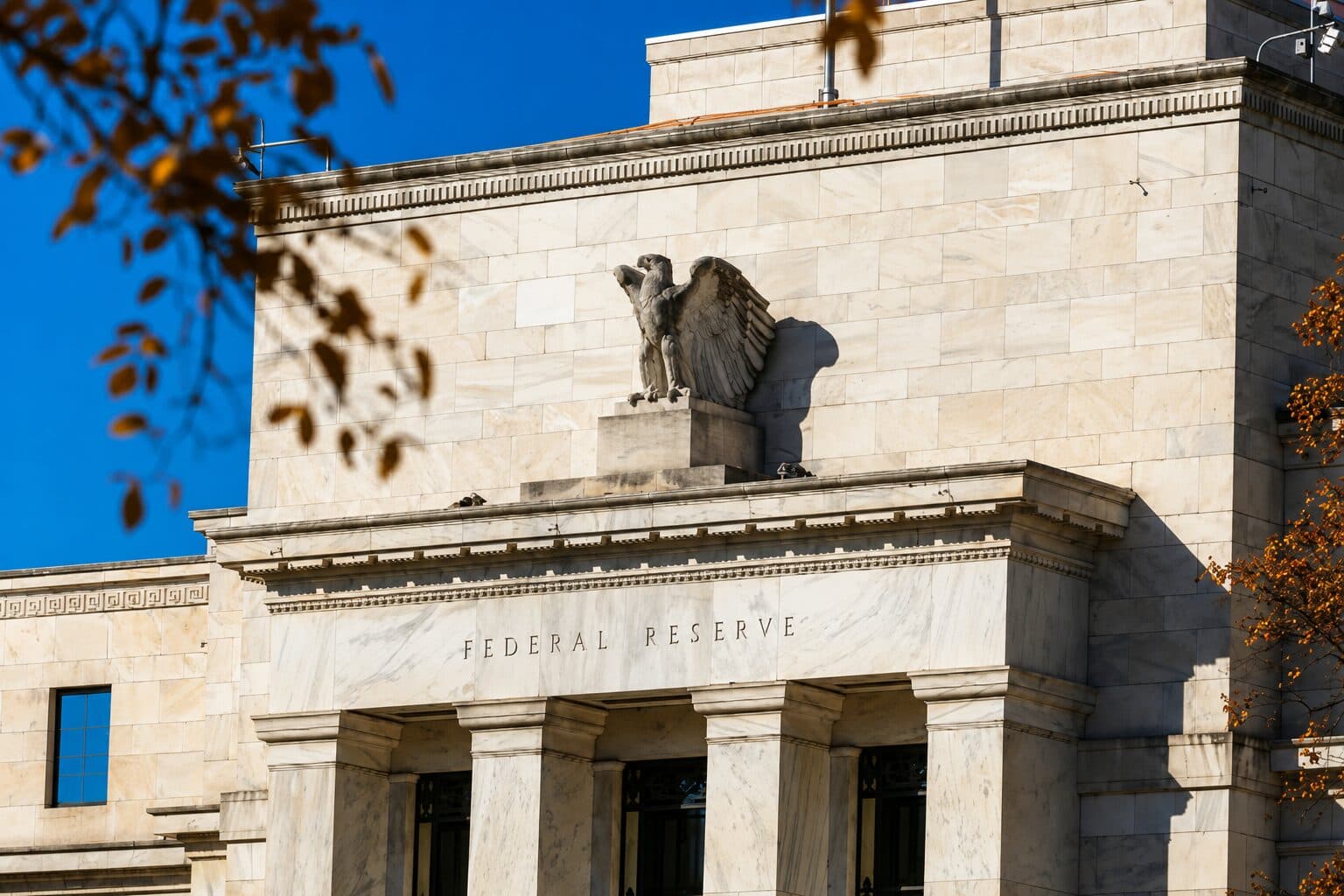
Photo: Illustrative
Why Community Banks Say the Clarity Act Could Hurt Small-Town Lending
A South Dakota community banker is challenging claims that worries over stablecoins draining bank deposits are overblown. Industry voices argue that money moved into stablecoins stays within the financial system since issuers hold reserves in Treasuries and bank deposits. Community bankers say that framing misses the point: even if the dollars stay in the system, they often leave the local lending pool small banks depend on for mortgages, farm loans, and small business credit.
.jpeg)
A South Dakota community banker is challenging claims that worries over stablecoins draining bank deposits are overblown. Industry voices argue that money moved into stablecoins stays within the financial system since issuers hold reserves in Treasuries and bank deposits. Community bankers say that framing misses the point: even if the dollars stay in the system, they often leave the local lending pool small banks depend on for mortgages, farm loans, and small business credit.
The Cost to Local Communities
Community banks make up most of the roughly 4,500 banks nationwide and serve towns often overlooked by larger institutions. In South Dakota alone, local banks hold about $47 billion in deposits. Industry estimates suggest up to $4.7 billion of that could shift into stablecoins without stronger guardrails, cutting local lending capacity by billions.
Where the Risk Really Lies
The concern centers on proposed rules that could let exchanges or wallet providers offer stablecoin rewards resembling interest, even though direct interest from issuers is already restricted elsewhere. If stablecoins offer yield like returns while functioning like everyday money, they start competing with bank deposits, but without performing the lending function that turns deposits into loans for local families and businesses.
A Call for Balanced Rules
The push isn’t against stablecoin innovation, but for clearer limits preventing stablecoins from becoming high-yield deposit substitutes outside the banking system. Transaction-based rewards, similar to credit card perks, are seen as a fair middle ground. Advocates are urging lawmakers to tighten these provisions before a final vote expected this fall.
Live market reaction
Disclaimer
This content is for informational purposes only and does not constitute financial, investment, or legal advice. Cryptocurrency trading involves risk and may result in financial loss.
Start trading
with BloFin today
Up to $500 sign-up bonus and zero-fee trading on your first 30 days.
Buy crypto nowⓘ You will be redirected to BloFin
About the author
Emerging voice in crypto journalism with a background in fintech and digital economics. Covers DeFi, NFTs, and the evolving regulatory landscape.

 Guylian ·

.jpeg&w=32&q=75) Laurisa ·
Laurisa ·