

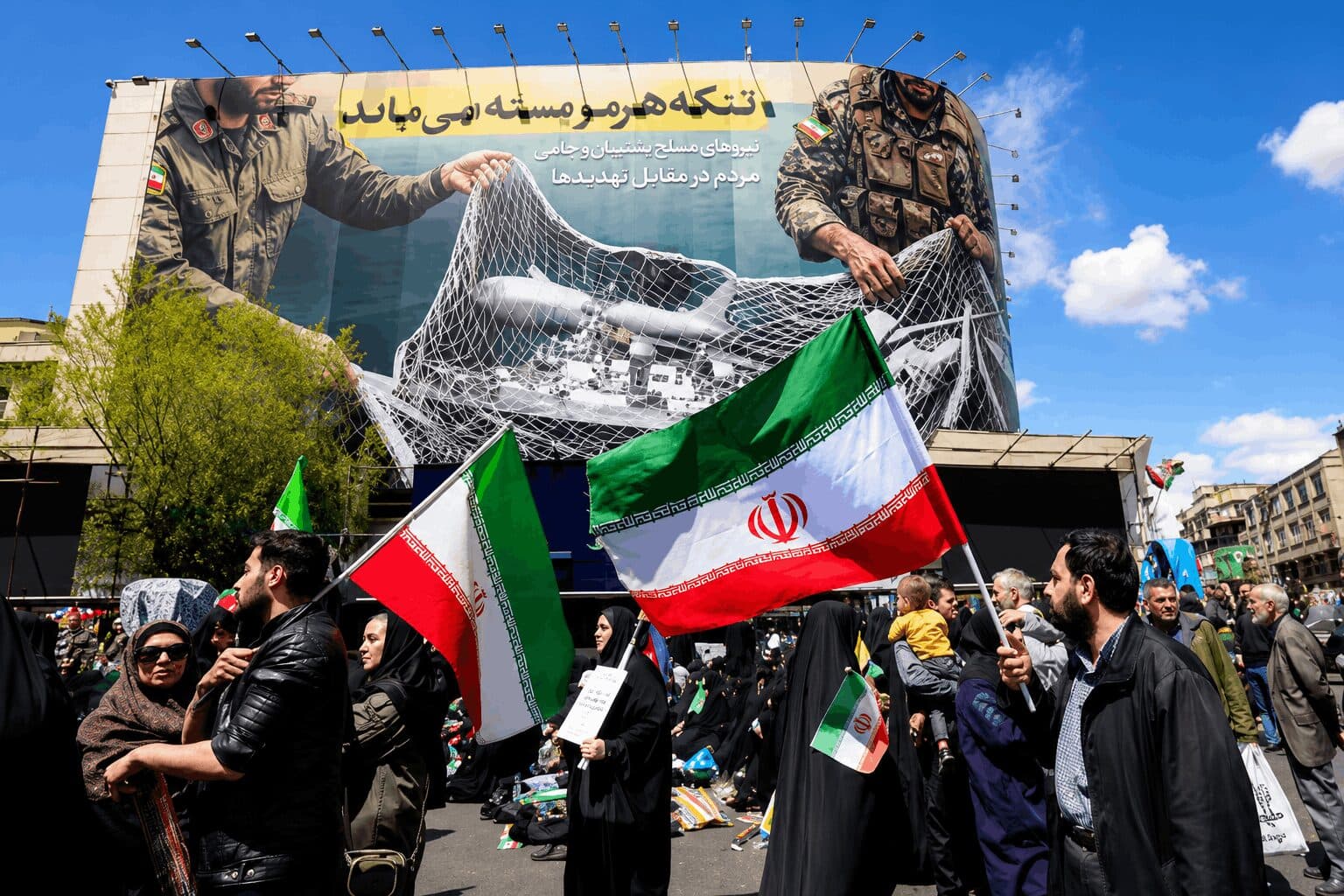
Photo: Illustrative
Interim Iran Deal Could Pause Fighting but Leave Core Conflict Unresolved
The United States, Israel and Iran appear to be moving closer to an interim agreement that could reduce tensions and temporarily halt the conflict. However, diplomats and regional analysts believe the proposed deal is more likely to freeze the crisis than permanently resolve it.
.jpeg)
The United States, Israel and Iran appear to be moving closer to an interim agreement that could reduce tensions and temporarily halt the conflict. However, diplomats and regional analysts believe the proposed deal is more likely to freeze the crisis than permanently resolve it.
According to sources familiar with the discussions, the emerging framework would focus on reopening the Strait of Hormuz, easing economic pressure and creating conditions for a temporary pause in hostilities. The agreement could also provide political breathing room for US President Donald Trump ahead of the November midterm elections.
Former US diplomat Dennis Ross said recent military operations have produced significant tactical successes but failed to deliver a lasting strategic solution. “There is no file that has been closed,” Ross said.
Economic Relief Central to Negotiations
Iran is reportedly seeking the release of about $12 billion in frozen assets and limited sanctions relief as part of any agreement. Iranian officials view economic support as essential as the country continues to face financial hardship and growing domestic pressure.
In exchange, Iran could lift its effective blockade of the Strait of Hormuz, one of the world’s most important oil shipping routes. The move would help stabilize global energy markets and reduce concerns about disruptions to oil supplies.
Key Disputes Remain Unresolved
Despite progress in talks, major disagreements continue. Iran remains unwilling to abandon uranium enrichment, while the United States has not offered the security guarantees Tehran seeks. Israel also continues to view Iran as a major security threat and remains committed to limiting its military capabilities.
Former US diplomat and Iran expert Alan Eyre said the overlap between what Washington wants and what Iran is willing to offer remains very small. He described the current approach as an effort to secure a deal now while pushing the most difficult issues into a future phase that may never materialize.
Revolutionary Guards Could Emerge Stronger
Analysts also warn that any temporary agreement could strengthen Iran’s Revolutionary Guards. David Schenker of the Washington Institute for Near East Policy said the Guards were previously “the power behind the throne” but may now become the dominant force within the country’s leadership structure.
Live market reaction
Disclaimer
This content is for informational purposes only and does not constitute financial, investment, or legal advice. Cryptocurrency trading involves risk and may result in financial loss.
Start trading
with BloFin today
Up to $500 sign-up bonus and zero-fee trading on your first 30 days.
Buy crypto nowⓘ You will be redirected to BloFin
About the author
Emerging voice in crypto journalism with a background in fintech and digital economics. Covers DeFi, NFTs, and the evolving regulatory landscape.
.jpeg&w=32&q=75) Laurisa ·
Laurisa · 
 Tristan R. ·