

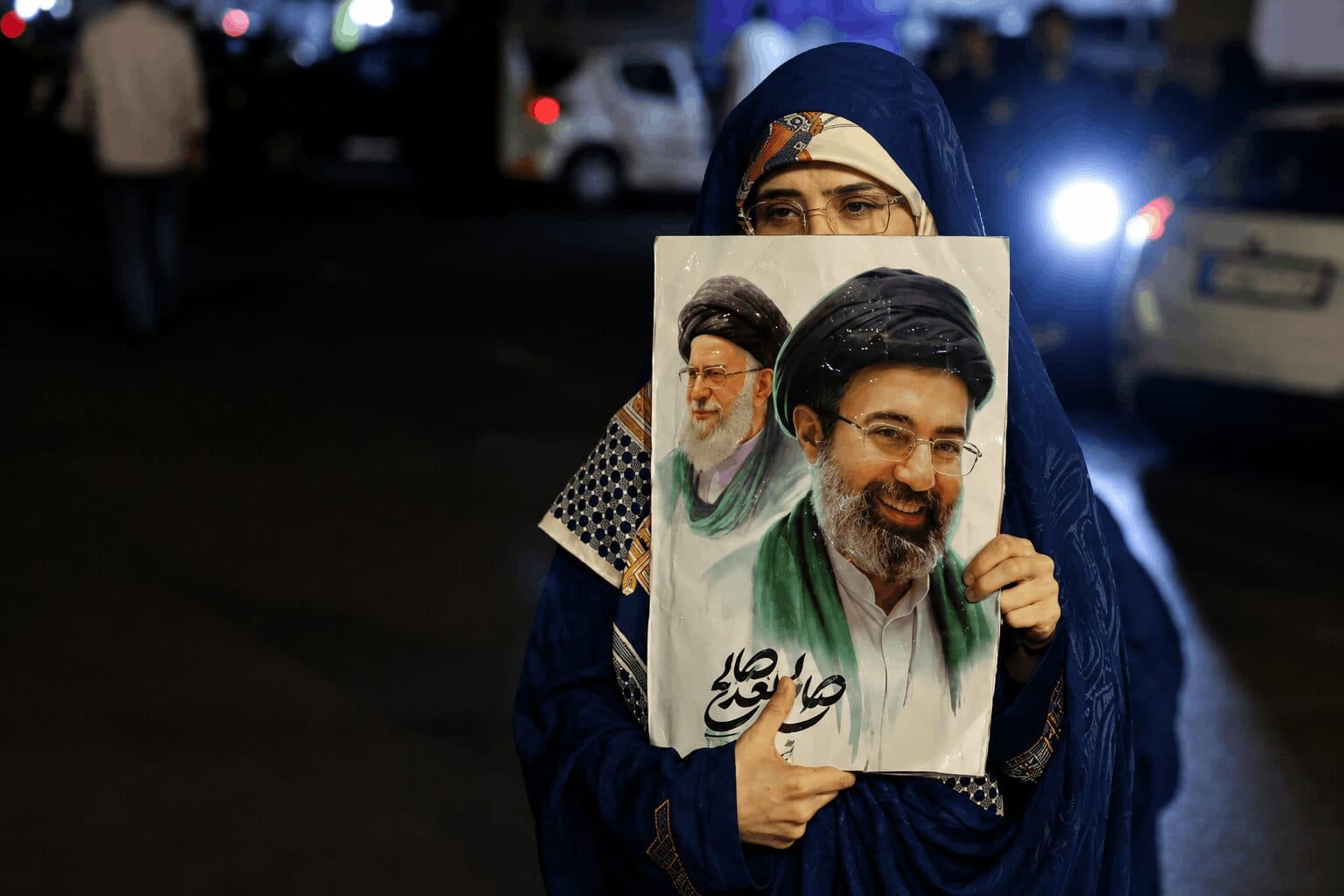
Photo: Illustrative
US and Iran Sign Preliminary Ceasefire Agreement as Talks Shift Toward Long-Term Peace
The United States and Iran have signed a preliminary agreement aimed at extending the fragile ceasefire that has been in place since April, marking the most significant diplomatic step so far toward ending months of conflict in the Gulf region.

The United States and Iran have signed a preliminary agreement aimed at extending the fragile ceasefire that has been in place since April, marking the most significant diplomatic step so far toward ending months of conflict in the Gulf region.
US President Donald Trump announced that the agreement had been signed and said a formal ceremony is expected to take place in Geneva later this week. The deal would extend the current ceasefire by another 60 days and reopen the Strait of Hormuz, a vital shipping route that carries around one-fifth of global oil trade.
Following the announcement, oil prices dropped to their lowest level since March as traders reacted to the prospect of restored energy flows through the strategic waterway.
Nuclear Program and Sanctions Relief Remain Key Issues
While the agreement reduces immediate tensions, many important issues remain unresolved. Iranian President Masoud Pezeshkian described the memorandum as an important step but stressed that a permanent peace agreement has not yet been finalized.
US Vice President JD Vance said the document is brief and largely outlines broad principles. According to US officials, future negotiations will focus on Iran’s nuclear program, sanctions relief and regional security concerns.
The proposed framework could eventually provide Iran with major economic benefits, including sanctions relief, access to frozen assets and a reconstruction fund reportedly worth up to $300 billion backed by Gulf states. In return, Washington expects guarantees that Iran will not develop nuclear weapons and will reduce support for regional armed groups, including Hezbollah.
Lebanon Remains a Major Obstacle
One of the biggest challenges facing negotiators is the conflict in Lebanon. Iranian Foreign Minister Abbas Araqchi said Israeli military operations in Lebanon must stop immediately, while Israeli Prime Minister Benjamin Netanyahu insisted Israeli forces would remain in southern Lebanon and retain the right to respond to Hezbollah attacks.
Although violence reportedly eased after the agreement was announced, clashes have not completely stopped. Israeli drone strikes and military operations were still reported in southern Lebanon on Monday.
The conflict has claimed at least 7,000 lives, mostly in Iran and Lebanon, displaced more than 1.2 million people and disrupted global energy markets. With major disputes still unresolved, the newly signed agreement is being viewed as a starting point for broader negotiations rather than a final peace settlement.
Live market reaction
Disclaimer
This content is for informational purposes only and does not constitute financial, investment, or legal advice. Cryptocurrency trading involves risk and may result in financial loss.
Start trading
with BloFin today
Up to $500 sign-up bonus and zero-fee trading on your first 30 days.
Buy crypto nowⓘ You will be redirected to BloFin
About the author
8+ years covering crypto markets, macro, and geopolitics. Previously at Decrypt and CoinDesk. Focused on the intersection of digital assets and traditional finance.

 Tristan R. ·
.jpeg&w=32&q=75) Laurisa ·
Laurisa ·