
Photo: Illustrative
Iran and Oman Finalize Shipping Route Agreement for Strait of Hormuz
Iran's Foreign Ministry has confirmed that Tehran and Muscat have independently agreed on coordinates for a proposed shipping route through the Strait of Hormuz, according to ministry spokesman Esmail Baghaei. The two countries are now finalizing a joint statement covering technical, legal, security, and environmental details. Notably, the United States was not part of these particular negotiations, even as Washington has separately pushed for a broader resolution to the conflict.
.jpeg)
Iran’s Foreign Ministry has confirmed that Tehran and Muscat have independently agreed on coordinates for a proposed shipping route through the Strait of Hormuz, according to ministry spokesman Esmail Baghaei. The two countries are now finalizing a joint statement covering technical, legal, security, and environmental details. Notably, the United States was not part of these particular negotiations, even as Washington has separately pushed for a broader resolution to the conflict.
Reopening Still Conditional on US Actions
Despite the agreement, Iranian officials have made clear the strait will not fully reopen until the United States addresses what Tehran calls violations of their prior understanding and lifts its naval blockade on Iranian ports. Deputy Foreign Minister Kazem Gharibabadi described the arrangement as a temporary route expected to last two to four months, with much of the traffic routed through Iranian territorial waters. “This understanding does not mean the full reopening of the Strait of Hormuz,” he said.
Strategic Stakes Remain High
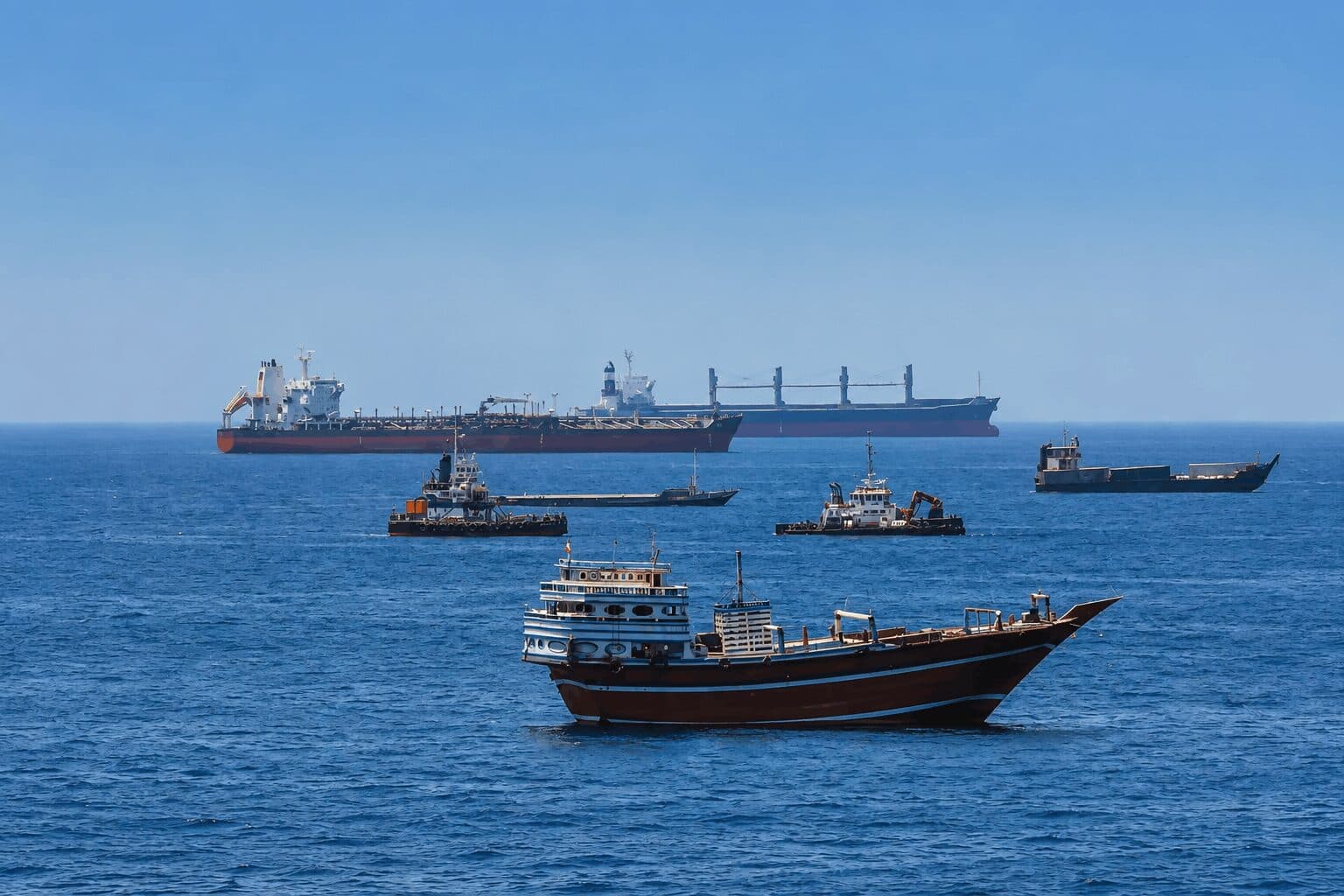
The strait handles roughly a fifth of the world’s oil supply in peacetime, making any disruption a major factor in global energy markets. Since fighting began earlier this year, numerous commercial vessels have come under attack in and around the waterway, with seafarers killed or injured and several ships damaged or abandoned. Shipping traffic through the corridor has dropped sharply as crews grow wary of transiting the area regardless of assurances.
Trump’s Threats Loom Over Talks
President Donald Trump has continued to apply pressure throughout the negotiations, at one point suggesting the US could treat the strait as American territory if a resolution isn’t reached. He has also warned Iran of severe consequences should talks collapse, while Treasury Secretary Scott Bessent has indicated a broader deal could be close. Even so, Iranian officials maintain that a lasting resolution depends on Washington meeting Tehran’s conditions first.
Live market reaction
Disclaimer
This content is for informational purposes only and does not constitute financial, investment, or legal advice. Cryptocurrency trading involves risk and may result in financial loss.
Start trading
with BloFin today
Up to $500 sign-up bonus and zero-fee trading on your first 30 days.
Buy crypto nowⓘ You will be redirected to BloFin
About the author
Emerging voice in crypto journalism with a background in fintech and digital economics. Covers DeFi, NFTs, and the evolving regulatory landscape.

 Tristan R. ·