
Photo: Illustrative
Iran Halts Indirect Negotiations With US Amid Intensifying Fighting in Lebanon
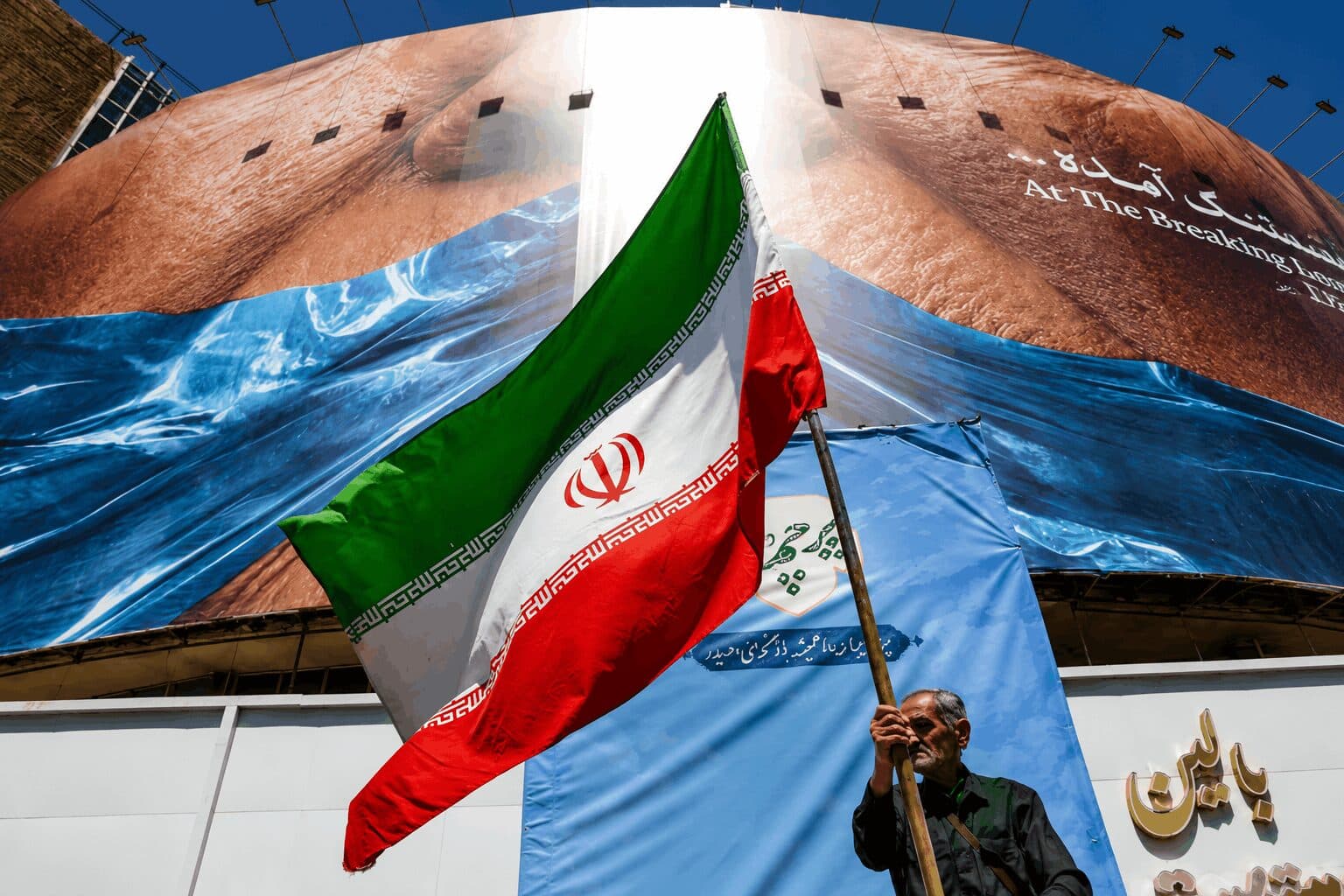
Iran has reportedly suspended indirect negotiations with the United States following Israel’s decision to expand military operations in Lebanon against Hezbollah. The move adds fresh uncertainty to efforts aimed at ending the three-month regional conflict and preserving fragile ceasefires already under strain.

Iran has reportedly suspended indirect negotiations with the United States following Israel’s decision to expand military operations in Lebanon against Hezbollah. The move adds fresh uncertainty to efforts aimed at ending the three-month regional conflict and preserving fragile ceasefires already under strain.
According to Iranian media reports, Tehran’s negotiating team has stopped exchanging messages with Washington through mediators. Iranian officials view developments in Lebanon as closely linked to broader regional tensions involving the United States and Israel.
Rising Tensions Complicate Peace Efforts
The diplomatic setback comes after a series of military exchanges between Iran and the United States. Washington said it recently struck Iranian air defense systems, a ground control station and drones it considered threats to regional shipping. In response, Iran’s Revolutionary Guards claimed responsibility for an attack targeting a U.S.-used air base.
Kuwait later activated its air defenses and condemned missile and drone attacks that it said threatened regional stability. The U.S. military reported intercepting two Iranian ballistic missiles aimed at American forces stationed in Kuwait, adding that no personnel were injured.
Oil Prices Jump on Geopolitical Concerns
Energy markets reacted quickly to the latest developments. Oil prices climbed more than $5 per barrel after reports emerged that Iran was suspending diplomatic contacts with Washington.
Lebanon Fighting Becomes Major Obstacle to Negotiations
Iranian officials have identified Israel’s military operations in Lebanon as one of the primary barriers to renewed diplomacy. Tehran argues that violations of ceasefire arrangements in Lebanon undermine wider efforts to reduce tensions across the region.
Israeli Prime Minister Benjamin Netanyahu recently ordered forces to advance deeper into southern Lebanon and approved strikes on targets in Beirut’s southern suburbs, citing repeated Hezbollah ceasefire violations.
Meanwhile, U.S. Secretary of State Marco Rubio has been engaged in discussions with both Lebanese President Joseph Aoun and Israeli leaders. Washington has proposed a framework for gradual de-escalation, including a halt to Hezbollah attacks in exchange for limits on Israeli military escalation.
Key Disputes Still Separate Washington and Tehran
Beyond the fighting in Lebanon, several major disagreements continue to block a broader agreement. Iran is seeking sanctions relief, access to frozen oil revenues held abroad and the removal of restrictions affecting its ports and trade routes.
Live market reaction
Disclaimer
This content is for informational purposes only and does not constitute financial, investment, or legal advice. Cryptocurrency trading involves risk and may result in financial loss.
Start trading
with BloFin today
Up to $500 sign-up bonus and zero-fee trading on your first 30 days.
Buy crypto nowⓘ You will be redirected to BloFin
About the author
8+ years covering crypto markets, macro, and geopolitics. Previously at Decrypt and CoinDesk. Focused on the intersection of digital assets and traditional finance.
 Tristan R. ·
.jpeg&w=32&q=75) Laurisa ·
Laurisa ·